Special Features
The Rise of “Hidden Vietnam”: 10 Places to Visit Before They Become Tourist Hotspots
Vietnam is entering a new era of travel. Beyond famous destinations such as Hanoi, Ho Chi Minh City, Ha Long Bay, and Hoi An, a growing number of lesser-known places are attracting travelers who want authentic experiences, untouched landscapes, and a slower pace of life.
This rise of “Hidden Vietnam” is especially appealing to international visitors looking to explore beyond the traditional tourist trail. From remote islands and mountain valleys to peaceful coastal communities, these destinations offer a different side of Vietnam—one that may not remain secret for long.
If you are planning a Vietnam adventure that combines hidden gems with iconic experiences, consider adding these 10 destinations to your itinerary.
1. Quy Nhon – Vietnam’s Emerging Coastal Escape
Located along Vietnam’s central coast, Quy Nhon is increasingly being recognized for its beautiful beaches, dramatic cliffs, and relaxed atmosphere.
Unlike some of Vietnam’s more developed beach destinations, Quy Nhon still retains a distinctly local character. Visitors can explore Ky Co Beach, admire the coastal scenery at Eo Gio, enjoy fresh seafood, and discover quiet fishing villages.
For travelers searching for an alternative to busier coastal destinations, Quy Nhon offers a compelling combination of nature, culture, and authentic Vietnamese hospitality.
2. Ha Giang – The Ultimate Mountain Road Adventure
Ha Giang has become increasingly popular among adventurous travelers, but compared with Vietnam’s major tourist centers, it still feels remarkably remote.
The legendary Ha Giang Loop takes visitors through spectacular mountain landscapes, deep valleys, limestone peaks, and traditional ethnic villages. The Ma Pi Leng Pass is one of the journey’s most memorable highlights.
Travelers interested in responsible tourism should consider spending more time in local communities rather than simply completing the loop as quickly as possible. This allows you to experience the culture and landscapes at a much deeper level.
3. Con Dao – An Island Escape Beyond Phu Quoc
Phu Quoc is already a major international destination, but Con Dao offers a quieter island experience.
The archipelago is known for clear waters, forest-covered mountains, beautiful beaches, and Con Dao National Park. It is also an important nesting area for sea turtles and a destination where nature remains central to the travel experience.
Con Dao is particularly attractive for travelers who prefer peaceful beaches, outdoor activities, diving, snorkeling, and nature-focused holidays.
4. Pu Luong – Vietnam’s Peaceful Mountain Retreat
Located in Thanh Hoa Province, Pu Luong is famous for its rice terraces, forested mountains, traditional villages, and spectacular valleys.
The destination is ideal for travelers who want to slow down. Instead of busy attractions, the highlights here are trekking through rice fields, staying in local homestays, watching traditional farming activities, and enjoying panoramic mountain views.
Pu Luong is also an excellent complement to a Hanoi itinerary, particularly for travelers interested in combining city exploration with rural Vietnam.
5. Cao Bang – Waterfalls, Mountains and Ethnic Culture
Cao Bang is one of northern Vietnam’s most rewarding destinations for nature lovers.
Its most famous attraction is Ban Gioc Waterfall, one of the country’s most spectacular waterfalls. However, the province offers much more than one landmark, including limestone mountains, caves, rivers, traditional villages, and peaceful rural landscapes.
Because Cao Bang is farther from Hanoi than many popular destinations, it has retained a relatively low-key atmosphere. That may change as more travelers discover its natural beauty.
6. Phong Nha – Beyond the Famous Caves
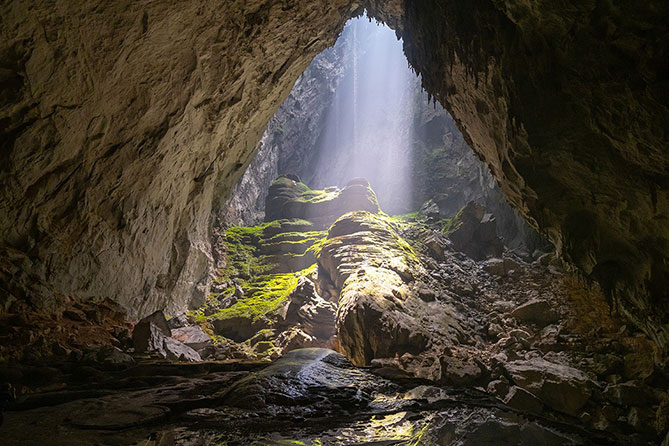
Phong Nha is internationally recognized for its spectacular cave systems, but the wider region deserves just as much attention.
Visitors can combine cave exploration with cycling through countryside roads, visiting rural communities, kayaking, hiking, and discovering the surrounding karst landscape.
The destination demonstrates why “Hidden Vietnam” is not necessarily about finding places that nobody knows. Sometimes it is about exploring beyond the headline attraction and experiencing the destination more slowly.
7. Bai Tu Long Bay – The Quieter Side of Northern Vietnam
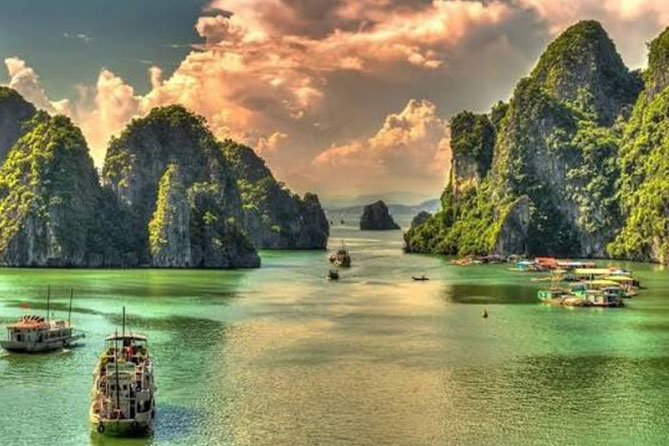
While Ha Long Bay remains one of Vietnam’s most iconic destinations, nearby Bai Tu Long Bay offers a more peaceful maritime experience.
The landscape features limestone islands, calm waters, hidden beaches, and traditional coastal communities. An overnight cruise is one of the best ways to appreciate the scenery because travelers can escape the pace of day-trip tourism.
For visitors considering an overnight cruise experience, exploring quieter areas around Ha Long Bay can make the journey feel more exclusive and immersive.
8. Lan Ha Bay – A Different Side of the Halong Bay Experience
Lan Ha Bay has become one of the most attractive alternatives for travelers who want the iconic limestone scenery of northern Vietnam with a more relaxed atmosphere.
Located east of Cat Ba Island, Lan Ha Bay features hundreds of limestone islands and islets, secluded beaches, floating communities, and calm waters suitable for kayaking.
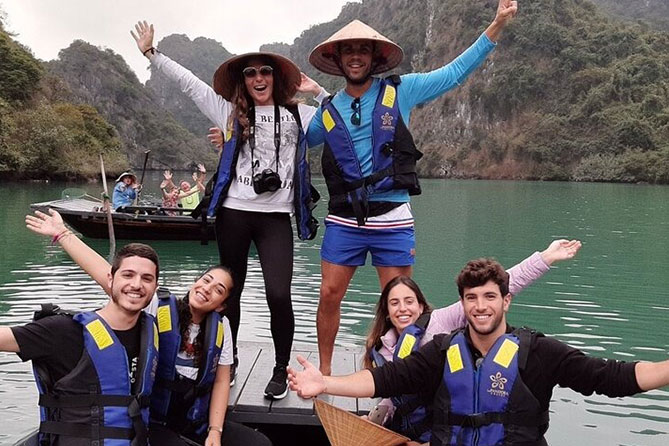
An overnight cruise allows travelers to experience the bay beyond the busiest daytime hours. For those researching a premium orchid cruise halong bay experience, this region can be particularly appealing because luxury cruising combines accommodation, dining, scenery, and activities into one journey.
The appeal of orchid cruise halong bay travel is not simply about seeing limestone islands. It is about experiencing northern Vietnam from the water, with more time to appreciate the changing landscapes and peaceful atmosphere.
9. Ta Xua – A Mountain Destination Above the Clouds
For travelers searching for dramatic landscapes, Ta Xua is one of northern Vietnam’s emerging mountain destinations.
The area is famous for its “cloud hunting” experiences, especially when mountain peaks appear to float above layers of clouds. The rugged terrain and famous dinosaur-spine ridge also attract hikers and adventure travelers.
Ta Xua remains far less developed than many established mountain destinations, making it an excellent choice for travelers who enjoy nature, photography, trekking, and remote landscapes.
10. Ly Son Island – Volcanic Landscapes and Local Life
Off the coast of Quang Ngai Province, Ly Son Island is a fascinating destination shaped by volcanic activity.
The island is known for its dramatic cliffs, volcanic formations, turquoise waters, garlic farms, and distinctive coastal culture. Visitors can explore volcanic craters, temples, fishing communities, and nearby Small Island.
Ly Son offers an experience that feels very different from Vietnam’s more commercial beach destinations. Its unique landscapes and local character make it one of the country’s destinations worth discovering early.
Why Is “Hidden Vietnam” Becoming So Popular?
The growing interest in lesser-known destinations reflects a broader change in international travel.
Travelers are increasingly looking for:
- Authentic local experiences
- Smaller-scale destinations
- Nature and outdoor adventures
- Less crowded attractions
- Sustainable and responsible tourism
- Local food and cultural experiences
- Longer, slower travel experiences
Social media has also played an important role. A remote mountain viewpoint, a quiet beach, or a previously unknown village can quickly become a global travel trend once visitors begin sharing their experiences online.
That creates an interesting paradox: the more travelers search for hidden destinations, the faster those destinations can become popular.
How to Explore Hidden Vietnam Responsibly
Discovering less-touristy destinations comes with a responsibility to protect them.
Travelers can help by choosing locally owned accommodation, supporting local restaurants and guides, avoiding single-use plastics, respecting cultural traditions, and following environmental regulations.
Most importantly, visitors should avoid treating local communities simply as tourist attractions. Respectful interaction and responsible travel can help these destinations develop without losing the qualities that made them special.
Combine Hidden Vietnam With Iconic Experiences
You do not necessarily need to choose between famous destinations and hidden gems.
A well-designed Vietnam itinerary can combine Hanoi with Ha Giang, central Vietnam with lesser-known coastal destinations, or the traditional Ha Long Bay experience with quieter areas such as Bai Tu Long Bay and Lan Ha Bay.
For travelers looking for a more sophisticated northern Vietnam experience, an overnight cruise can also become an important part of the journey. Instead of rushing through the bay on a day trip, spending a night on the water provides more time for kayaking, sightseeing, dining, and enjoying the changing scenery.
This is where a luxury orchid cruise halong bay experience can fit naturally into a broader Vietnam itinerary—particularly for travelers who want to combine iconic landscapes with comfort and a slower pace.
Final Thoughts: Visit Before the Secret Is Out
Vietnam’s hidden destinations are no longer completely hidden. Travelers are discovering them through social media, travel blogs, local recommendations, and increasingly diverse tourism infrastructure.
From the mountains of Ha Giang and Ta Xua to the beaches of Quy Nhon, Con Dao, and Ly Son, these places offer an opportunity to experience a more authentic side of Vietnam.
And while Ha Long Bay and Lan Ha Bay remain essential destinations for many first-time visitors, exploring quieter corners of northern Vietnam—especially through an overnight orchid cruise halong bay journey—can add an entirely different dimension to the trip.
The best time to discover “Hidden Vietnam” may be before everyone else discovers it too.